Your Spice Rack Is Doing More for Your Heart Than You Think
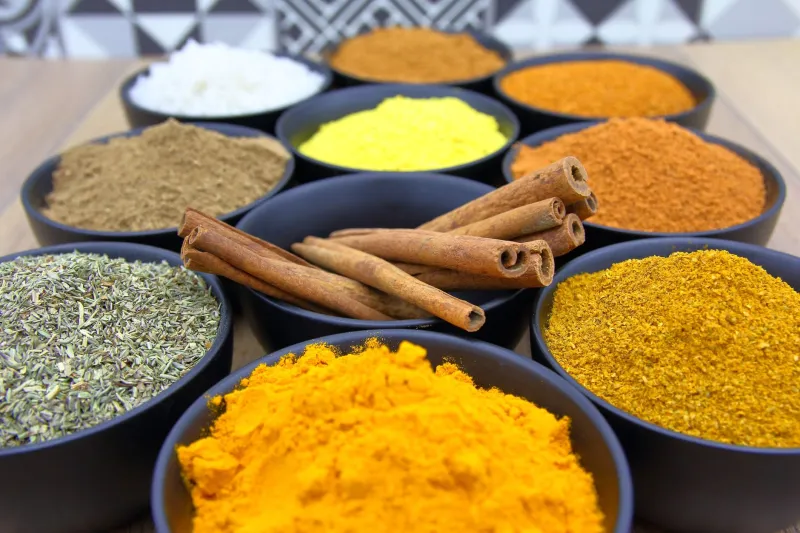
Somewhere between the cumin you bought for that one taco night and the paprika you've never opened, there's a legitimate cardiovascular support stack hiding in plain sight. No subscription required. No clinic intake form. No monthly invoice that makes you question your life choices.
We're talking about spices — the kind that cost $3 to $7 at any grocery store in America and have been sitting in your cabinet this whole time. And before you roll your eyes, the research here is actually pretty solid. Peer-reviewed, published-in-real-journals solid.
Let's break down what's worth your attention and how to actually use it.
Turmeric: The One Everyone Mentions, But Few Use Correctly
Turmeric gets a lot of hype, and for once, the hype is mostly earned. The active compound — curcumin — has been studied extensively for its anti-inflammatory effects, and chronic inflammation is one of the primary drivers of cardiovascular disease. A 2017 review published in Nutrition Journal found that curcumin supplementation was associated with meaningful reductions in LDL cholesterol and triglycerides.
Here's the catch most people miss: curcumin has notoriously low bioavailability on its own. Your body doesn't absorb it well unless you pair it with black pepper (which contains piperine) or a fat source. This isn't a marketing trick — it's basic biochemistry. So when you're adding turmeric to eggs, a soup, or a rice dish, throw in a crack of black pepper and cook it in olive oil. That simple combination dramatically increases how much your body actually uses.
A reasonable daily target? About half a teaspoon to one teaspoon of ground turmeric. You're not trying to turn your food yellow — you're just making it a consistent habit.
Cayenne: The Circulation Spice That Earns Its Reputation
Capsaicin — the compound that gives cayenne its heat — has a genuinely interesting relationship with cardiovascular health. Studies have shown it can help reduce blood pressure, improve circulation, and may even have a modest effect on LDL oxidation, which is the process that makes bad cholesterol actually dangerous.
A 2018 study published in the Journal of the American College of Cardiology found that people who regularly consumed chili peppers had a 13% lower risk of dying from cardiovascular disease compared to those who never or rarely ate them. That's not a trivial number for something that costs $4 a jar.
You don't need to be a heat fanatic to benefit. A pinch — maybe a quarter teaspoon — stirred into chili, added to a marinade, or mixed into scrambled eggs is enough to make this a regular part of your rotation. If your stomach is sensitive, start small and work up.
Cinnamon: Beyond the Latte
Cinnamon has a complicated reputation because it got co-opted by the wellness industry and then dismissed as a result. But the actual research is worth revisiting. Multiple studies have found that cinnamon can help improve insulin sensitivity and reduce fasting blood glucose — and since metabolic dysfunction and cardiovascular disease are closely linked, this matters.
A meta-analysis in the Journal of the Academy of Nutrition and Dietetics found that cinnamon supplementation was associated with reductions in fasting blood glucose, total cholesterol, and triglycerides in people with metabolic conditions. The amounts used in research typically range from half a gram to three grams per day — roughly a quarter to half a teaspoon of ground cinnamon.
One important note: there are two main types of cinnamon you'll find in US stores. Ceylon cinnamon (sometimes labeled "true cinnamon") is preferable for daily use because it contains significantly less coumarin, a compound that can stress the liver in large amounts. Most of the cheap cinnamon on shelves is Cassia. It's fine in small amounts, but if you're going to make this a daily habit, Ceylon is worth the slight upgrade.
Stir it into your morning coffee, oatmeal, or a protein shake. This one genuinely requires zero cooking skill.
Garlic Powder: The Underrated Workhorse
Fresh garlic gets all the glory, but garlic powder is easier, longer-lasting, and still delivers meaningful benefits. Allicin — the compound responsible for most of garlic's cardiovascular effects — is present in both forms. Research has consistently linked garlic consumption to modest but real reductions in blood pressure and LDL cholesterol.
A Cochrane review found that garlic preparations were associated with small but statistically significant reductions in systolic and diastolic blood pressure. These aren't dramatic numbers, but when you stack them alongside other dietary habits, they add up.
The practical play here is simple: garlic powder goes on almost everything. Chicken, vegetables, eggs, pasta, sauces. A half teaspoon to a full teaspoon per meal is a realistic target that won't turn every dish into garlic bread.
Ginger: The Bonus Player Worth Adding
Ginger doesn't always make the cardiovascular conversation, but it should. Gingerol — its primary bioactive compound — has demonstrated anti-inflammatory and antiplatelet properties in research settings. Some studies suggest it may help reduce LDL cholesterol and improve circulation.
Ground ginger is cheap (usually under $5), and it works well in stir-fries, soups, smoothies, and even mixed into oatmeal with the cinnamon you're already adding. A quarter to half a teaspoon daily is a low-effort way to round out your spice stack.
How to Build the Habit Without Overhauling Anything
The beauty of this approach is that it doesn't ask you to change your diet — just your seasoning habits. Here's a simple framework:
- Morning: Cinnamon in your coffee or oatmeal. Done.
- Lunch or dinner protein: Garlic powder and cayenne on chicken, beef, or fish before cooking.
- Any cooked vegetable or grain dish: Turmeric plus black pepper, cooked in olive oil.
- Soups, stews, or stir-fries: Ginger and garlic powder as a base.
That's it. No new recipes. No meal prep overhaul. Just a shift in what you reach for when you're already cooking.
What This Is — And What It Isn't
Let's be straight about the limits here. Spices are not a replacement for medication if you have diagnosed hypertension, high cholesterol, or a documented cardiovascular condition. If that's your situation, talk to a doctor.
What this is is a genuinely evidence-backed way to support cardiovascular health through diet — the kind of foundational stuff that often gets skipped in favor of expensive supplement stacks or clinic memberships that charge you monthly whether you log in or not.
The spice aisle at your local grocery store probably has everything on this list for under $30 total, and most of it will last you months. That's not a bad deal for something with actual research behind it.
Your heart doesn't need a prescription. It needs consistency — and apparently, a little cayenne.