Farmer's Market Haul, $15. Monthly Clinic Bill, $120. Here's What Actually Moved the Needle

Farmer's Market Haul, $15. Monthly Clinic Bill, $120. Here's What Actually Moved the Needle
Let me set the scene. It's a Saturday morning in late spring, and I'm standing at a folding table next to a hand-painted sign that reads "Pumpkin Seeds — $4/lb." Behind me, on my phone, is a reminder that my men's health clinic membership auto-renewed for another $120 that morning.
I bought the pumpkin seeds. I also bought some maca powder from the herb vendor two stalls down and a bunch of beets from a third-generation farmer who looked genuinely confused when I told him I was using them for "libido support." Total damage: $14.75.
That was four months ago. What followed was one of the more instructive experiments I've run on my own body — and it cost me less than a single co-pay.
Why Men's Health Clinics Work (And Why That's Actually the Problem)
Here's the thing nobody wants to say: the subscription clinic model is built on a real foundation. Hormonal health, circulation, energy metabolism — these are legitimate biological systems that genuinely affect how men feel and function. The clinics aren't selling snake oil. They're selling access to pathways that matter.
The business model problem is that they've positioned themselves as the only door to those pathways. Monthly fees, proprietary blends, recurring shipments — it's a compelling package, but it obscures a pretty inconvenient truth: a lot of those pathways run straight through the produce aisle.
Zinc and the Testosterone Connection
Start with pumpkin seeds. An ounce contains roughly 2.2 milligrams of zinc, and zinc is not a minor player in male hormonal health. It's a cofactor in the enzymatic process that converts androgen precursors into active testosterone. More directly, zinc deficiency has been repeatedly linked to suppressed testosterone levels in clinical research — including a well-cited 1996 study out of Wayne State University showing that restricting zinc intake in healthy young men caused a measurable drop in testosterone over just 20 weeks.
The reversal was equally notable: zinc supplementation in deficient older men roughly doubled their testosterone levels.
Now, pumpkin seeds aren't a testosterone injection. But if your levels are dragging because your diet is zinc-poor — which is genuinely common in men who eat a lot of processed food — a daily handful of these seeds is addressing the actual root cause. Not masking it. Addressing it.
Cost check: One pound of raw pumpkin seeds at most farmer's markets runs $4–$6. That's a month's worth of daily servings.
Maca Root: The Adaptogen That's Been Doing This Longer Than Any Clinic
Maca (Lepidium meyenii) is a root vegetable native to the Peruvian Andes, and it has a longer track record for male sexual health than virtually any supplement on the market. Peruvian farmers were using it for energy and fertility long before anyone coined the term "men's wellness."
The modern research is legitimately interesting. A 2002 double-blind, placebo-controlled trial published in Asian Journal of Andrology found that maca supplementation significantly improved self-reported sexual desire in men — and critically, it did this without altering testosterone or estrogen levels. That matters. It suggests maca operates through a different mechanism, likely involving neurotransmitter activity and adaptogenic stress modulation rather than direct hormonal manipulation.
A follow-up 2010 meta-analysis in BMC Complementary Medicine reviewed four randomized controlled trials and concluded there was "limited but emerging evidence" supporting maca's effect on sexual dysfunction and desire.
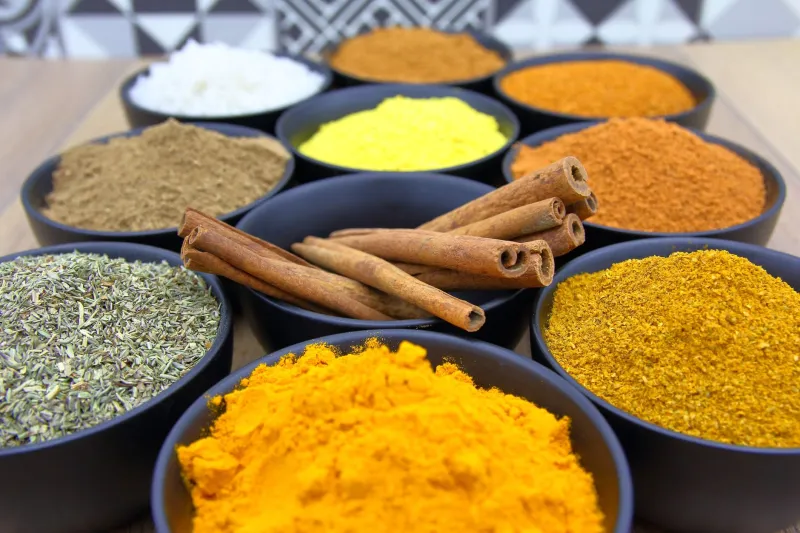
You can find maca powder at most natural food vendors and farmer's markets, often sourced from small importers who sell it in bulk. It's mild, slightly nutty, and easy to blend into a morning smoothie.
Cost check: A quarter-pound of maca powder typically runs $5–$8 at a farmer's market or natural food stall. That's several weeks of daily use at a one-teaspoon serving.
Beets and Blood Flow: The Part Clinics Charge Extra to Explain
If you've ever seen a men's health clinic upsell you on a "circulation support" add-on, there's a decent chance the active mechanism they're targeting is nitric oxide. It's a signaling molecule that relaxes the smooth muscle in blood vessel walls, increasing blood flow — including to places men care about.
Beets are one of the most concentrated dietary sources of inorganic nitrates on the planet. Your body converts those nitrates to nitrite, and then to nitric oxide. The pathway is well-established, well-researched, and genuinely effective. A 2012 study in Nitric Oxide journal found that dietary nitrate from beet juice significantly increased plasma nitrite levels and improved vascular function.
This is the same mechanism that certain prescription compounds target — just without the prescription, the monthly membership, or the branded packaging.
Roast them, juice them, slice them raw into a salad. The farmer at my market sells a bunch of four medium beets for $3. I eat them two or three times a week.
Cost check: $3 per bunch, multiple servings per bunch.
The Actual Weekly Shopping List
Here's what a practical, repeatable farmer's market run looks like if you're targeting the same biological pathways that clinics market to men:
- Raw pumpkin seeds (1 lb): Zinc support, testosterone cofactor — $4–$6
- Maca root powder (¼ lb): Libido and desire support, adaptogenic — $5–$8
- Fresh beets (1 bunch): Nitric oxide precursor, circulation — $3
- Optional: Pomegranate (1–2): Additional antioxidant support for vascular health — $2–$3
Total: $14–$20, depending on your market and region.
For context, the clinic membership I was running cost $120/month and included a monthly video check-in plus a proprietary supplement blend. Some of those supplements were legitimately good. But several of the active ingredients overlapped directly with what I was now buying at a Saturday market.
What This Isn't
This article isn't a prescription. It isn't medical advice. And it's definitely not a suggestion that whole foods solve every problem men face with hormonal or sexual health — they don't, and anyone telling you otherwise is selling something.
If you have a diagnosed condition, work with a doctor. If your testosterone is clinically low for a structural reason, dietary zinc isn't the fix.
But if you're a reasonably healthy guy who's been paying $100+ a month for a membership partly because the marketing made you feel like you needed pharmaceutical-grade intervention for things your body might handle with better inputs? That's worth questioning.
The Bigger Picture
The men's health subscription industry is good at one thing: making men feel like their biology is a problem that requires a managed solution. And honestly, for a lot of guys, the structured accountability of a clinic is valuable on its own.
But the biology itself? It's not proprietary. Zinc metabolism, nitric oxide production, adaptogenic stress response — these are open-source systems. They respond to food, sleep, movement, and stress management just as readily as they respond to whatever's in that branded monthly shipment.
Your local farmer's market doesn't have a subscription fee. It doesn't auto-renew. And the guy selling pumpkin seeds doesn't need to know why you're buying them.
That's kind of the point.