Fourteen Bucks at the Grocery Store, Zero Copays: A Real Food Plan for Prostate Health
Let's be real about something. The men's health clinic model is built around friction — a consultation fee here, a monthly subscription there, a follow-up visit you didn't really need. And somewhere in the middle of all that, somebody hands you a pamphlet about "lifestyle changes" that's about as specific as a fortune cookie.
This isn't that.
What follows is a concrete, affordable, grocery-store-first look at foods that researchers have actually studied in relation to prostate health. We're talking about stuff you can throw in your cart this weekend for under $15 total. No appointment. No waiting room magazines from 2019. No membership that auto-renews while you're on vacation.
Why Food-First Actually Makes Sense Here
The prostate is a small gland, but it gets outsized attention in men's health — and for good reason. By age 50, a significant portion of American men start noticing changes related to prostate function, and by 60, that number climbs considerably. The conventional path usually looks like: notice a symptom, make an appointment, get referred, wait, pay, repeat.
But a growing body of research suggests that what you eat consistently — not occasionally, but consistently — has a measurable influence on prostate health markers over time. We're not talking about miracle cures. We're talking about giving your body the raw materials it actually uses.
The best part? Most of these foods are already sitting in grocery stores across the country, priced like groceries, not pharmaceuticals.
The Short List Worth Knowing
Tomatoes (especially cooked)
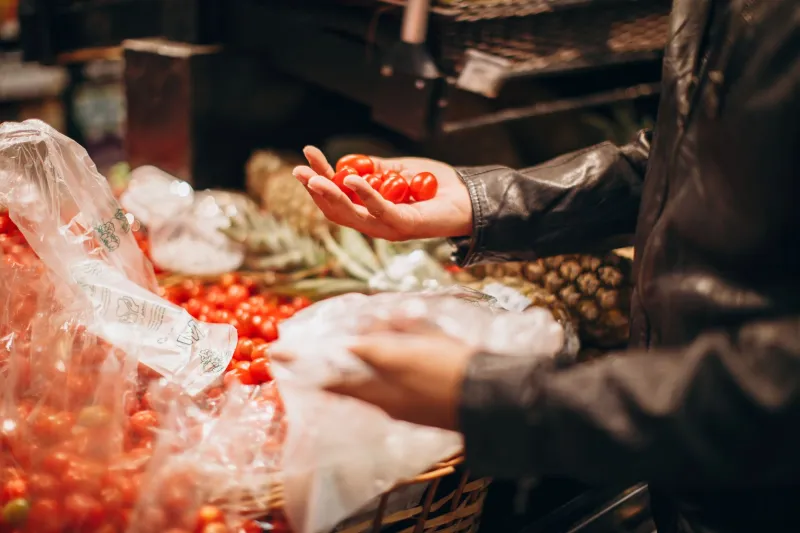
Lycopene is the compound that gives tomatoes their red color, and it's one of the most studied antioxidants in the context of prostate health. Here's the useful part: cooking tomatoes actually increases lycopene bioavailability, which means canned crushed tomatoes or tomato paste are more useful than a raw slice on a sandwich.
A 28-ounce can of Muir Glen Organic Crushed Tomatoes runs about $3.50 at most grocery stores. Hunt's works fine too if you're watching the budget hard. Aim to incorporate cooked tomato into your meals three to four times a week — pasta sauce, shakshuka, chili, soup. It adds up fast without feeling like medicine.
Pumpkin Seeds
These get mentioned a lot in men's wellness circles, and for once, the hype has some backing. Pumpkin seeds contain zinc and plant-based compounds called phytosterols that researchers have linked to supporting healthy urinary flow and prostate tissue function. A 2014 study published in Nutrition Research and Practice found that pumpkin seed oil was associated with improvements in lower urinary tract symptoms.
A 16-ounce bag of raw, unsalted pumpkin seeds from a brand like Terrasoul or even the Trader Joe's house brand costs around $5–$6. A small handful as a snack, tossed on a salad, or stirred into oatmeal covers you without any effort.
Green Tea
Epigallocatechin gallate — EGCG — is the polyphenol in green tea that keeps showing up in prostate research. Studies have examined its role in oxidative stress reduction and cellular health in prostate tissue. You don't need a fancy ceremonial matcha setup. A box of Bigelow Classic Green Tea or Celestial Seasonings Green Tea bags is $3–$4 for 40 bags. Two cups a day is a reasonable, evidence-adjacent target.
Broccoli and Cruciferous Vegetables
Sulforaphane, found in broccoli, Brussels sprouts, and cauliflower, has been studied for its potential role in reducing cellular inflammation — including in prostate tissue. A head of broccoli is $1.50 to $2 at most US grocery stores. Roast it, steam it, throw it in a stir-fry. The preparation doesn't matter much as long as you're eating it regularly.
Flaxseed
Ground flaxseed is a source of lignans — plant compounds that interact with hormone metabolism in ways researchers are still unpacking, but that early evidence suggests may be relevant to prostate health. Bob's Red Mill Ground Flaxseed is widely available for around $4 a bag and lasts for weeks. A tablespoon in a smoothie or stirred into yogurt is invisible in terms of taste and effortless in terms of habit.
What a Week Actually Looks Like
Here's a loose weekly structure that incorporates all of the above without turning your kitchen into a supplement lab:
- Monday/Wednesday/Friday: Start the day with a smoothie or yogurt bowl that includes a tablespoon of ground flaxseed and a small handful of pumpkin seeds.
- Tuesday/Thursday: Two cups of green tea — one in the morning, one in the afternoon. If you're a coffee person, the afternoon cup is an easy swap.
- Every dinner you can manage: Build at least two to three dinners around cooked tomatoes. A simple marinara over whole grain pasta, a quick tomato-based lentil soup, or even just eggs poached in seasoned crushed tomatoes (shakshuka takes 20 minutes).
- Two to three times per week: Roasted broccoli or another cruciferous vegetable as a side. It takes 20 minutes in a 425°F oven with olive oil and salt.
Total grocery spend for the staples listed above: roughly $14–$17 depending on your store and whether anything's on sale. That's a one-time pantry investment that lasts most of the week.
What This Isn't
Let's be clear: this isn't a substitute for talking to a doctor if you're experiencing symptoms that concern you. Prostate health is a real medical topic, and there are situations where clinical evaluation is genuinely necessary.
What this is — is a practical, low-cost foundation that you can build right now, without a subscription, without a waiting room, and without handing over your credit card number for a monthly membership. The research on food-based support for prostate health is real and growing, and the barrier to entry is a grocery cart and twenty minutes on a Sunday.
The men's health industry wants you to believe that support requires a prescription. More often than not, it starts with what's already on your plate.
The Takeaway
Cooked tomatoes. Pumpkin seeds. Green tea. Broccoli. Ground flaxseed. Five ingredients, under $15, and a weekly routine you can start building before the weekend's over. That's the whole plan.
No waiting room required.