You're Spending Money on the Wrong Test: How Your Grocery Cart Is Already Controlling Your Inflammation

You're Spending Money on the Wrong Test: How Your Grocery Cart Is Already Controlling Your Inflammation
Every few months, some men's health platform will nudge you toward ordering a comprehensive inflammation panel. C-reactive protein, interleukin-6, homocysteine — the whole lineup. The invoice shows up, the results come back flagged yellow or red, and then what? Usually a supplement recommendation and a follow-up appointment. Rinse, repeat.
Here's the thing nobody in that pipeline is rushing to tell you: the most powerful lever you have over systemic inflammation isn't a prescription, a peptide, or a quarterly blood draw. It's the stuff you put in your cart at Kroger on a Tuesday night.
That's not a knock on diagnostics. Biomarker testing has real value in the right context. But for the average American guy who's eating processed food five days a week and wondering why he feels perpetually sluggish and beat up, spending $150 on a CRP panel before cleaning up his diet is a little like checking the tire pressure on a car with no engine.
What Inflammation Actually Is (And Why It's Not Always the Enemy)
Inflammation gets treated like a villain in most wellness content, but the reality is more nuanced. Acute inflammation is your body doing exactly what it's supposed to do — mounting a defense when you cut your hand, fight off a cold, or push hard in the gym. That kind of inflammation resolves. It's short-lived and purposeful.
Chronic low-grade inflammation is the different animal. It's the slow, persistent burn that doesn't turn off — and it's strongly associated with cardiovascular disease, metabolic dysfunction, cognitive decline, and joint degeneration. This is the version that shows up on a CRP test and quietly does damage over years.
The driver of chronic inflammation, in most cases, isn't some mysterious genetic glitch. It's diet. Specifically, a diet high in refined carbohydrates, seed oils, ultra-processed foods, and added sugar — which, if we're being honest, describes the way a significant chunk of American men eat most of the time.
The Foods That Are Quietly Fueling the Fire
Before we get to solutions, it helps to understand what's feeding the problem. A few categories do the most damage:
Refined seed oils — soybean, corn, canola, and cottonseed oil are in almost everything packaged, and they're loaded with omega-6 fatty acids. Your body needs some omega-6, but the modern American diet delivers it at a ratio of roughly 15:1 or higher compared to omega-3s. That imbalance is directly tied to elevated inflammatory markers.
Added sugar and high-fructose corn syrup — both trigger the release of inflammatory cytokines and drive insulin resistance, which compounds the problem over time.
Ultra-processed snack foods — think chips, crackers, fast food, and most packaged baked goods. They combine refined oils, sugar, and refined flour in ways that hit multiple inflammatory pathways simultaneously.
None of this is revolutionary information. But it's worth spelling out because these aren't occasional indulgences for most guys — they're the foundation of the diet.
The Anti-Inflammatory Grocery List That Doesn't Require a Nutritionist
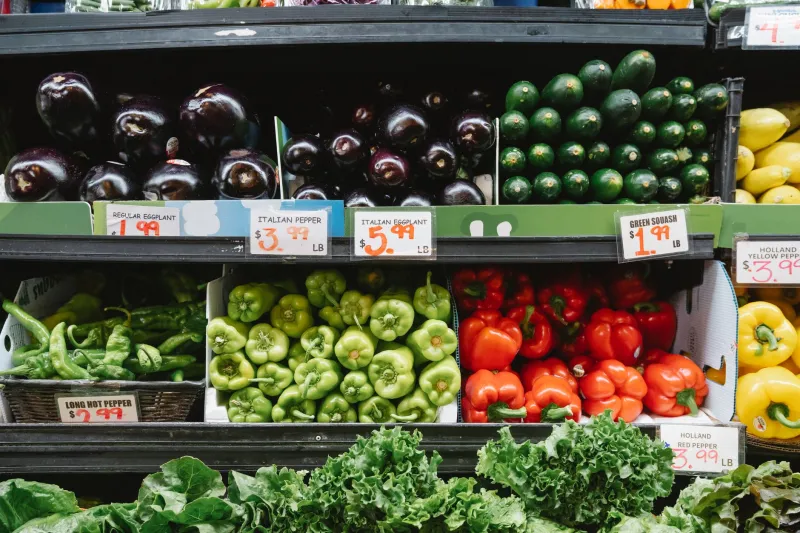
Here's where it gets practical. You don't need to go full elimination diet or stock up on exotic superfoods. A handful of affordable, widely available items move the needle significantly on inflammation — and most of them are already at your local grocery store.
Fatty fish — Canned sardines, canned salmon, and frozen mackerel are some of the most omega-3-dense foods available, and they're cheap. Two to three servings a week has been shown in multiple studies to reduce circulating inflammatory markers, including CRP. A can of wild-caught sardines runs about $2. A CRP test runs about $30 to $150 depending on where you order it.
Extra virgin olive oil — The real stuff (look for a harvest date on the bottle) contains oleocanthal, a compound that functions similarly to ibuprofen in terms of COX enzyme inhibition. Swapping out whatever vegetable oil blend you're currently cooking with for EVOO is one of the highest-leverage single changes you can make. A decent bottle costs $10 to $14 and lasts weeks.
Leafy greens — Spinach, kale, and arugula contain vitamin K and various polyphenols that suppress NF-κB, a key signaling molecule in inflammatory pathways. A bag of pre-washed spinach is $3. Throw it in eggs, blend it into a smoothie, eat it with dinner. It doesn't need to be complicated.
Turmeric — Curcumin, the active compound in turmeric, has a substantial body of research behind it for inflammation reduction. The catch is bioavailability — your body doesn't absorb it well on its own. Pairing it with black pepper (which contains piperine) increases absorption by up to 2,000 percent. A jar of turmeric costs $4. This combination appears in nearly every serious anti-inflammatory protocol for a reason.
Berries — Blueberries, strawberries, and blackberries are dense in anthocyanins, a class of antioxidants that reduce oxidative stress and inflammatory cytokine production. Frozen versions are just as effective as fresh and significantly cheaper, especially outside of summer.
Walnuts — One of the few plant-based sources of ALA omega-3s that actually delivers a meaningful dose. A handful a day adds up. They're calorie-dense, so you don't need much.
The Gap Between Testing and Doing
Here's the honest conversation most men's health platforms won't have with you: a CRP result tells you that inflammation is elevated. It doesn't fix it. And the follow-up protocol from most subscription clinics — another supplement, another panel in 90 days — keeps you in a loop of measuring without actually resolving the root cause.
Dietary changes, on the other hand, have measurable effects on CRP and other inflammatory markers within weeks. A 2018 study published in the American Journal of Clinical Nutrition found that an anti-inflammatory dietary pattern reduced CRP levels by up to 20 percent over eight weeks in otherwise healthy adults. No prescription required.
That doesn't mean testing is useless. If you have a family history of cardiovascular disease or autoimmune conditions, knowing your baseline is genuinely valuable. But if you haven't overhauled your diet yet, you're measuring a problem you haven't tried to solve.
A Practical Starting Point
You don't need to rebuild your entire diet this week. Start with three changes:
- Swap your cooking oil to extra virgin olive oil.
- Add one fatty fish meal per week — canned salmon with crackers counts.
- Cut one ultra-processed snack from your daily rotation and replace it with walnuts or berries.
That's it. Those three moves cost you maybe $15 extra per grocery run and require zero medical appointments. Give it four to six weeks and pay attention to how you feel — joint stiffness, sleep quality, afternoon energy, mental clarity. These are the subjective signals that chronic inflammation is dialing down.
If you want to test afterward, go for it. But most guys who make these shifts don't need a lab report to tell them something changed.
Your body already knows. The grocery store was always the first stop.