Seven Science-Backed Ways to Fight Hair Thinning Without a Single Prescription
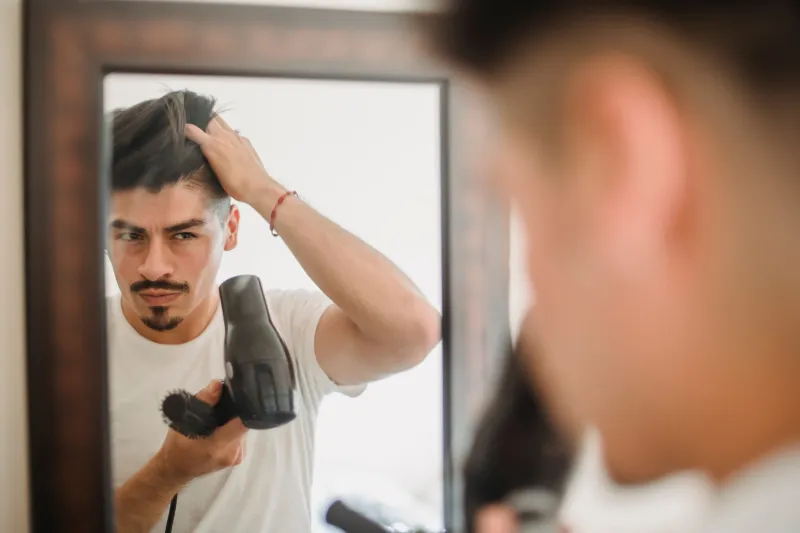
Let's be straight with you: the hair loss industry is enormous, and a huge chunk of it runs on fear. Thinning at the temples? There's a pill for that. Noticing more strands in the shower drain? Sign up here, get your consultation, receive your box every month.
But here's what a lot of guys don't realize — there's a solid body of research behind approaches that don't require you to navigate a telehealth platform, wait on a physician callback, or commit to a recurring charge you'll have to cancel three times before it actually stops.
This isn't about dismissing medical treatment. If your hair loss is aggressive or you want to explore prescription options, talking to a dermatologist is always a smart move. But for men in the early stages of thinning, or guys who simply want to take an informed, self-directed approach first, these seven strategies are genuinely worth your time.
1. Minoxidil: The OTC Option That Actually Works
Let's start with the heavy hitter. Minoxidil — sold under brand names like Rogaine — is FDA-approved for hair loss and available at any pharmacy without a prescription. It's one of the most studied topical treatments in the space, and the evidence is real: multiple clinical trials show it can slow hair loss and, in many cases, stimulate regrowth in men with androgenetic alopecia (the classic male pattern thinning).
The 5% foam formula is the standard recommendation for men. Consistency is everything here — results typically take three to six months of daily use, and stopping means the benefits fade. But the point is, you can grab it off a shelf today and start tonight.
2. Scalp Massage: Low-Tech, Surprisingly Effective
This one sounds almost too simple, but a 2016 study published in ePlasty found that standardized scalp massage increased hair thickness in men after just 24 weeks. Researchers believe the mechanical stimulation may stretch dermal papilla cells, encouraging them to produce thicker hair fibers.
Four minutes a day, using your fingertips in small circular motions across your scalp. That's it. You can do it in the shower, at your desk, or while you're watching TV. Pair it with a good scalp-stimulating shampoo and you've got a zero-cost, zero-prescription daily habit that has actual data behind it.
3. Check Your Nutritional Gaps — Seriously
Nutritional deficiencies are a surprisingly common and underdiagnosed contributor to hair thinning, and most guys never think to look there first. The big ones to know about:
- Iron: Low ferritin levels have been linked to hair shedding, particularly in men with poor dietary intake. A simple blood panel from your primary care doctor can check this.
- Zinc: Deficiency is associated with hair loss, and supplementation has shown improvement in some studies — though excess zinc can actually cause the opposite effect, so don't go overboard.
- Biotin: Often overhyped in marketing, but genuine biotin deficiency (which does exist) can cause hair loss. If your diet is balanced, you're probably fine — but it's worth knowing.
- Vitamin D: Low levels are correlated with alopecia areata and general hair thinning. A huge percentage of Americans are deficient, especially in northern states during winter.
You can get a basic nutritional panel done at your next checkup, or use a direct-to-consumer lab service without a referral. Knowledge first, supplementation second.
4. Caffeine-Based Topicals: Not Just a Marketing Gimmick
You might have seen caffeine shampoos on shelves and assumed it was just clever branding. The research tells a more interesting story. A study published in the International Journal of Dermatology found that caffeine applied topically can penetrate the hair follicle and counteract the suppressive effects of DHT (the hormone largely responsible for male pattern baldness) on hair growth.
It's not a replacement for minoxidil, but as a complementary tool — particularly in a shampoo or scalp serum you're already using — it's a reasonable addition with some legitimate science behind it.
5. Manage DHT Through Diet (Partially)
DHT, or dihydrotestosterone, is the main hormonal driver of male pattern hair loss. Prescription medications like finasteride work by blocking the enzyme that converts testosterone to DHT. But certain foods contain compounds that may offer modest, natural DHT-modulating effects:
- Pumpkin seed oil: A randomized, double-blind study found that men taking pumpkin seed oil supplements saw a 40% increase in hair count after 24 weeks compared to placebo.
- Saw palmetto: Widely used as a supplement, with some evidence suggesting modest DHT-blocking properties, though results are less consistent than pharmaceutical options.
- Green tea (EGCG): Some in-vitro research suggests epigallocatechin gallate may inhibit 5-alpha reductase, the same enzyme finasteride targets.
These won't produce the same results as a prescription blocker, but for guys who want a lifestyle-first approach, they're worth understanding.
6. Reduce the Scalp Inflammation You Might Not Know You Have
Chronic low-grade scalp inflammation can accelerate follicle miniaturization — the process that leads to permanent thinning. Dandruff, seborrheic dermatitis, and even product buildup can all contribute. An anti-dandruff shampoo containing ketoconazole (available OTC at 1% strength) has shown hair-protective effects in research, likely due to its anti-inflammatory and mild anti-androgenic properties.
Keeping your scalp clean, exfoliated, and free of buildup is basic stuff, but it's the kind of foundational habit that supports everything else you're doing.
7. Sleep and Stress: The Overlooked Accelerators
Telogen effluvium — a condition where stress causes large numbers of hair follicles to enter a resting phase simultaneously — is real and more common than most guys realize. Major stressors, including poor sleep, illness, or significant life events, can trigger noticeable shedding two to three months after the fact.
Chronic stress keeps cortisol elevated, which disrupts the hair growth cycle over time. Prioritizing seven to nine hours of quality sleep and incorporating stress management practices (exercise, mindfulness, whatever actually works for you) isn't just good general health advice — it has a direct impact on your hair.
The Bottom Line
Hair thinning is one of those health concerns where the noise-to-signal ratio is genuinely terrible. Everywhere you look, someone's trying to sell you a subscription or a consultation. But the honest truth is that a meaningful set of evidence-backed tools exists right now, available without a prescription, waiting for you to use them.
Start with what you can control today: minoxidil from your local pharmacy, a daily scalp massage, a look at your nutritional status, and a shampoo that actually does something. Build from there. You don't need a platform to manage your own health — you just need good information.