Your Gut Doesn't Need a $45 Probiotic: What Digestive Experts Actually Do for Free
Scroll through any wellness feed right now and you'll find gut health content absolutely everywhere. Greens powders. Probiotic gummies. Digestive enzyme capsules with ingredient lists that require a chemistry degree to parse. Fermented drink subscriptions. Gut microbiome testing kits that mail you a report and then upsell you on a supplement bundle.
It's a lot. And most of it is working harder for the company selling it than it is for your digestive system.
Here's the thing nobody in the supplement aisle wants to tell you: gastroenterologists — the actual physicians who specialize in digestive health — tend to recommend remarkably boring, remarkably affordable interventions. Not because they're withholding the good stuff, but because the boring stuff genuinely works, and the trendy stuff mostly doesn't.
Why the Supplement Industry Loves Your Gut
Gut health is a marketer's dream topic. The science is genuinely complex, the microbiome is legitimately fascinating, and the symptoms — bloating, irregular digestion, low energy, brain fog — are common enough that almost any man can relate to at least one of them.
This creates the perfect conditions for selling solutions. If you feel off and can't pinpoint why, a confident product claiming to "rebalance your microbiome" or "support digestive integrity" sounds pretty appealing.
But here's a grounding fact: the human gut contains somewhere between 500 and 1,000 species of bacteria. A probiotic supplement typically contains between 1 and 10 strains. The idea that you're meaningfully reshaping your gut ecosystem with a daily capsule is, at best, optimistic. At worst, it's expensive theater.
What Gastroenterologists Actually Recommend
Let's cut to the practical part. Based on published clinical guidance and statements from major gastroenterology associations, here's what digestive health specialists consistently point to.
Fiber — The Unglamorous MVP
American men average about 18 grams of dietary fiber per day. The recommended intake is 38 grams. That gap is enormous, and it's doing real damage to digestive health across the board.
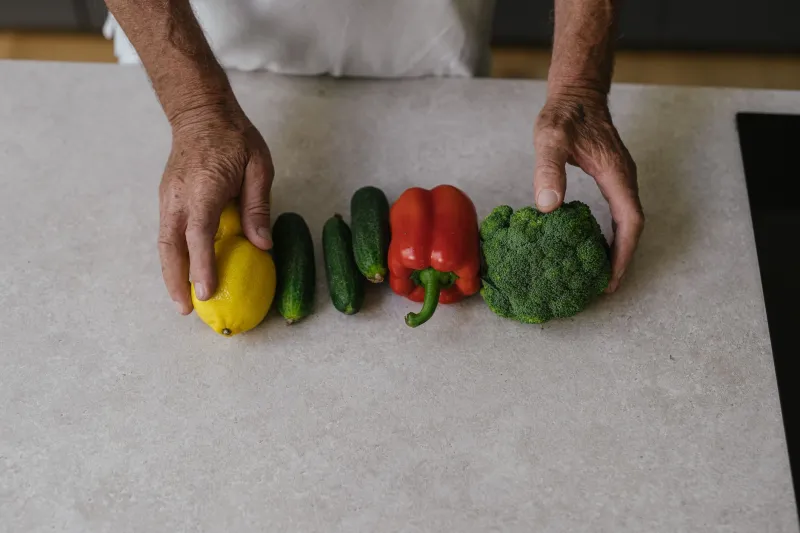
Fiber feeds the beneficial bacteria already living in your gut — the ones you're trying to support with those expensive probiotic supplements. Getting fiber from whole food sources (beans, lentils, oats, apples, broccoli, almonds) costs pennies per serving and has decades of clinical research behind it.
A can of black beans: about $1.20. More gut-health impact per dollar than almost anything on a supplement shelf.
Water — The Protocol Nobody Sells
Dehydration is one of the most common and most overlooked contributors to digestive sluggishness. Water is essential for breaking down food, absorbing nutrients, and keeping stool moving through the colon at a functional pace.
The recommendation from most gastroenterologists is straightforward: aim for roughly half your body weight in ounces of water per day, and increase that in hot weather or when exercising. A man who weighs 190 pounds should be targeting around 95 ounces daily.
This costs nothing. It also meaningfully improves digestion for most men within a week of consistent practice.
Eating Rhythm Matters More Than Eating Content
Your gut runs on a circadian rhythm, just like the rest of your body. Eating at wildly inconsistent times — skipping breakfast until noon, eating a massive meal at 10 PM — disrupts the biological clock governing digestive function.
Research published in Cell Host & Microbe found that time-restricted eating (not intermittent fasting as a weight-loss gimmick, just eating within a consistent 10–12 hour window) improved microbiome diversity and reduced markers of metabolic dysfunction. No supplement required.
Movement as Digestive Medicine
The gut has its own nervous system — the enteric nervous system — that responds directly to physical activity. Regular walking, in particular, has been shown to reduce symptoms of irritable bowel syndrome, improve transit time, and decrease bloating.
A 15–20 minute walk after meals is something gastroenterologists have recommended to patients for decades. It's free, it works, and it doesn't have an Instagram account.
The Fermented Food Question
Fermented foods — yogurt, kefir, kimchi, sauerkraut, miso — do have legitimate research supporting their benefit for gut microbiome diversity. A 2021 Stanford study found that a diet high in fermented foods increased microbiome diversity more effectively than a high-fiber diet alone.
But here's the nuance: a container of plain whole-milk yogurt at your grocery store runs about $4–6 and contains live active cultures. That's a real, research-supported intervention. It's not a $45 capsule with a logo on it.
The fermented food evidence is solid. The fermented food supplement evidence is considerably thinner.
What to Actually Skip
A few specific categories worth being skeptical about:
Digestive enzyme supplements: Unless you have a documented enzyme deficiency (like lactase deficiency or exocrine pancreatic insufficiency), your body already produces the enzymes you need. Supplementing healthy enzyme production doesn't appear to offer meaningful benefit.
Gut microbiome testing kits: Consumer-grade microbiome testing is not clinically validated as a diagnostic tool. The results are interesting but don't currently translate into actionable medical guidance. Your doctor can order clinically meaningful stool tests if there's an actual concern.
Greens powders as a fiber substitute: Most greens powders contain 1–3 grams of fiber per serving. You need 38. Do the math.
The Simple Protocol
If you want to actually improve your digestive health, here's what the evidence supports:
- Add one high-fiber food to every meal (beans, oats, vegetables, fruit)
- Drink water consistently throughout the day — not just when you're thirsty
- Eat within a consistent 10–12 hour window
- Walk for 15 minutes after your largest meal
- Add a serving of plain yogurt or another fermented food daily
Total additional weekly cost: roughly $10–15 in groceries.
Total supplements required: zero.
Your gut isn't broken. It just needs the basics done consistently — not a trending product telling you otherwise.